Foundations
STEP 01
Know your gear
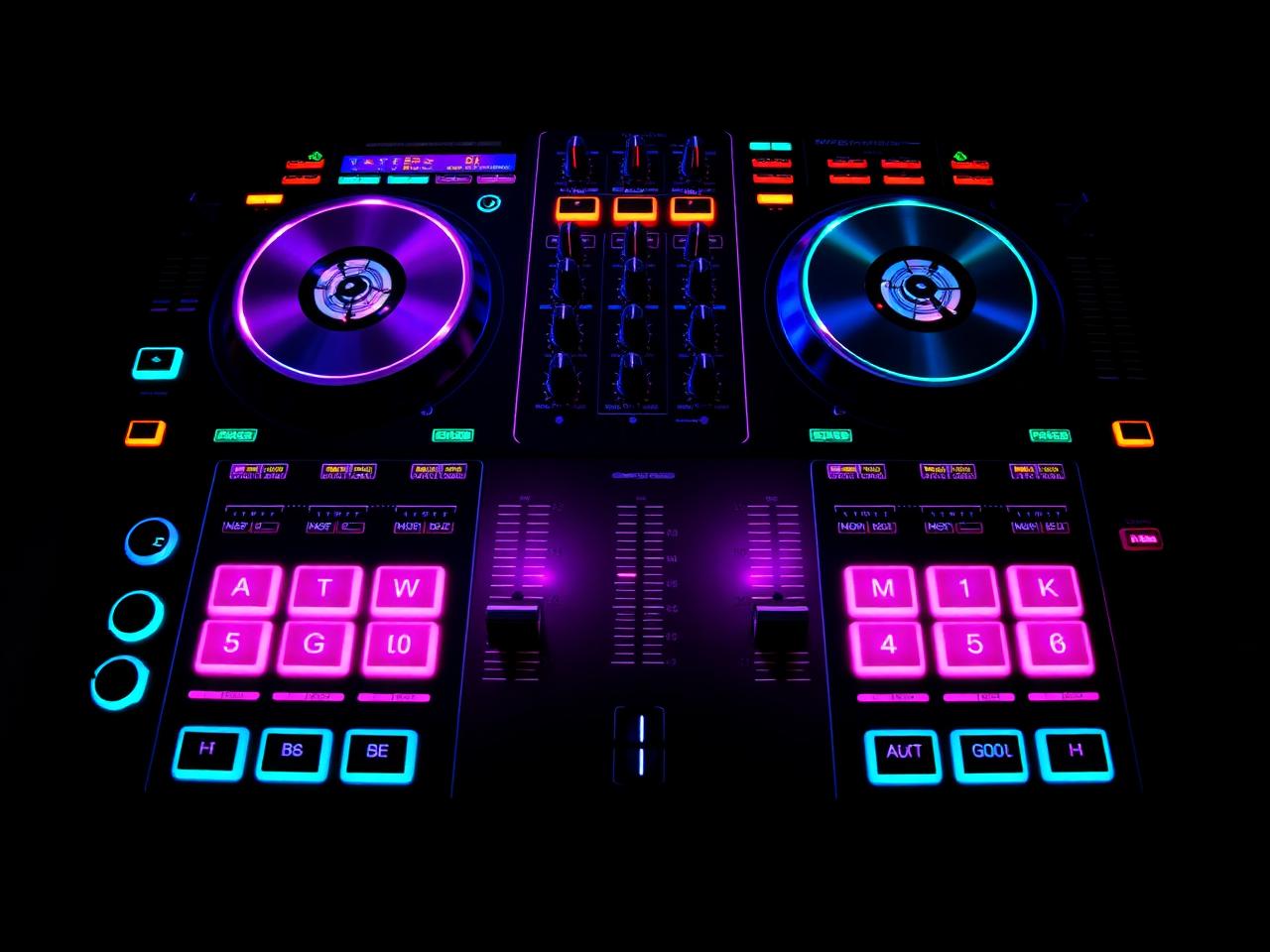
Two decks, a mixer, headphones, and a monitor. Learn the channel strip: gain, 3-band EQ, filter, fader. Master one controller before chasing the next.

Six steps from your first beatmatch to your first paid event — taught with the techniques of the DJs who actually move dancefloors.
Work through them in order. Each one builds the muscle the next one needs.
Two decks, a mixer, headphones, and a monitor. Learn the channel strip: gain, 3-band EQ, filter, fader. Master one controller before chasing the next.
Sync BPM, then gently touch the spinning platter (or jog wheel) to speed the track up or slow it down so the kick drums land together. Train your ear first — sync buttons are a crutch when the power flickers mid-set.
Use Camelot notation. Stay on the same number or move ±1 / switch letter. Harmonic mixing turns transitions into music, not collisions.
Drop the new track on a 32-bar phrase. Cut bass on the outgoing, ride it in on the incoming. The dancefloor should never notice the seam.
Watch the floor, not your screen. Build energy in arcs: warm-up, peak, breakdown, release. A great set is a conversation, not a playlist.
Soundcheck early. Label your USBs. Bring backups of backups. Arrive an hour before your set and end on the track they'll hum home to.
Theory only takes you so far. Watch how the greats actually do it — then steal what works for your sound.
Layers loops and acapellas across three decks live — proof that real mixing is composition, not playback.
Long, patient blends that let two grooves breathe together for 90 seconds before the swap.
Storytelling through tempo arcs — slow burn intros that detonate exactly when the room is ready.
Genre-blind selection. Folk into UK garage into ambient — taste over tempo, every time.
Vinyl-only, marathon sets. Demonstrates that pacing and patience outrank technical wizardry.
Quick, percussive cuts on the 1. Energy management at 138 BPM without ever feeling rushed.
Heavy bass drops blended into melodic breakdowns — teaches how to balance aggression with emotion on the floor.
Practice nightly. Record every set. Send mixes to promoters. The path from bedroom to booth is shorter than it looks — and it starts with step one.
Start with step 01 →